Status Quo: All You Need to Know
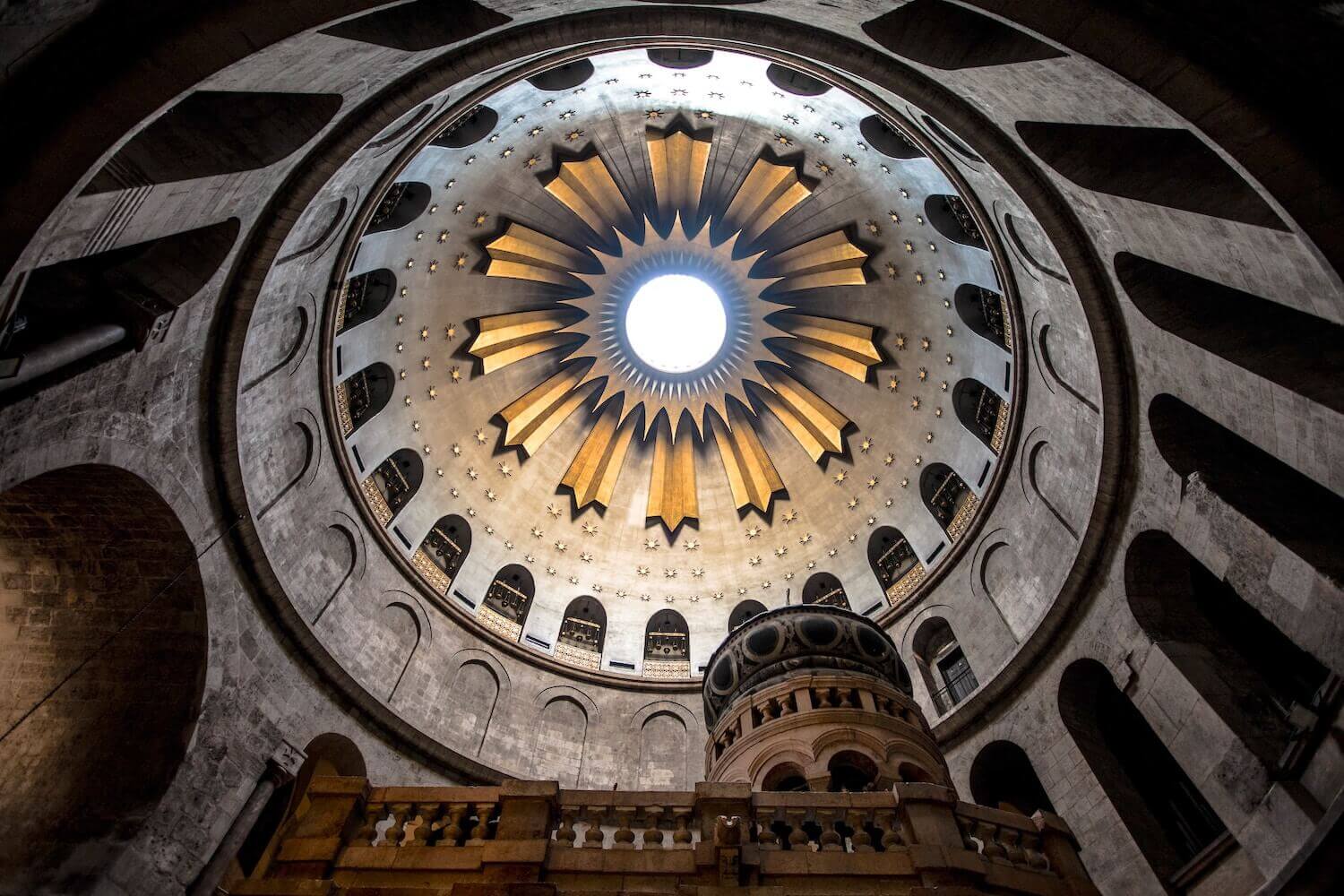
The term “Status Quo” as it relates to the Church of the Holy Sepulchre in Jerusalem refers to a set of historical agreements and arrangements that govern the shared custody and administration of the church among different Christian denominations.
The Church of the Holy Sepulchre is one of the most important religious sites in Christianity, as it is believed to encompass the locations of Jesus Christ’s crucifixion, burial, and resurrection. The church is shared by several Christian denominations, each of which has its own designated areas within the complex.
The history of the Status Quo dates back several centuries and emerged as a way to manage the complex and often contentious relationships among the various Christian communities that have a presence in Jerusalem. These communities include the Greek Orthodox, Roman Catholic, Armenian Apostolic, Coptic Orthodox, Ethiopian Orthodox, and Syriac Orthodox Churches.
6 Key Elements of the Status Quo
Status Quo is a bit of a complicated idea containing many important elements to bring neutrality and peace to these important religious sites. Here are the main Status Quo elements.
1. Control and Custody
Each Christian denomination controls and administers specific parts of the church complex. This includes the responsibility for maintaining and caring for their respective areas, as well as conducting religious services. This division of responsibilities has led to some parts of the church being meticulously preserved for centuries.
2. Principles of Neutrality
The Status Quo dictates that any changes to the interior or exterior of the church require the consensus of all parties involved. This principle prevents one denomination from making unilateral decisions that could impact the shared space and lead to conflicts.
3. Keyholder Arrangements
The various denominations have agreements regarding the use of keys to the church’s main entrance, as well as other entrances within the complex. These arrangements ensure that no single denomination has exclusive control over access to the church.
4. Traditions and Rituals
The Status Quo extends to the rituals and practices carried out within the church. The schedule for religious services, processions, and other events is agreed upon to avoid conflicts and ensure that each denomination has the opportunity to participate in their respective traditions.
5. Historical Disputes
Over the centuries, disputes have arisen regarding the exact boundaries of the different denominational areas within the church. These disputes have sometimes resulted in conflicts, but the overall goal of maintaining the peace and avoiding escalation has often led to compromise and negotiation.
6. Mediating Authorities
The local civil authorities and, at times, international diplomats have played a role in mediating disputes and upholding the Status Quo. They may intervene when conflicts arise to ensure that the arrangements are respected and maintained.
The Status Quo has endured for centuries, often as a delicate balancing act that aims to prevent any single Christian denomination from gaining an advantage or monopolizing the control of the church.
While tensions and disagreements have occasionally arisen, the shared custody and administration of the Church of the Holy Sepulchre remains a symbol of coexistence among different Christian traditions in a historically significant and sacred location.
Ongoing Challenges with the Status Quo
The Church of the Holy Sepulchre, being a place of immense historical and religious significance, has seen numerous incidents and conflicts related to the implementation of the Status Quo over the years. Some of these incidents have highlighted the complexities and challenges of maintaining this delicate arrangement:
Conflict and Disputes
Disputes among the denominations have occasionally escalated into conflicts. There have been instances of physical altercations between clergy members representing different Christian communities within the church. These conflicts have often required intervention from local authorities to restore order.
Renovation and Restoration
Maintaining such an ancient and revered structure requires periodic renovations and restoration work. However, even seemingly minor changes, such as repairing a roof or cleaning a wall, can lead to disagreements about which denomination should bear the cost or conduct the work.
Ladder Incident
One of the most famous incidents that illustrate the intricacies of the Status Quo occurred in the 19th century. The “Immovable Ladder” incident involved a ladder placed on a window ledge of the church’s facade.
This ladder was left there because of an agreement that nothing in the church should be moved without consensus. The ladder remained untouched for decades as various denominations couldn’t agree on its removal.
Fire of 1808
A major fire in 1808 severely damaged the church. The subsequent rebuilding efforts led to disputes over the allocation of space among the denominations. It took decades to reach an agreement on the distribution of areas within the church.
Nadelman Affair
In the early 20th century, a clock was installed near the entrance of the church, which led to another dispute among the denominations. This disagreement was ultimately resolved by moving the clock to a location that was considered neutral ground.
Entrance Arrangements
The arrangements for opening and closing the church’s doors each day have also been a point of contention. Each denomination has its own schedule for access to the church, and ensuring that these schedules are adhered to requires careful coordination.
Despite these challenges, the Status Quo has largely endured, as it serves as a pragmatic solution for managing the complex and diverse interests of the Christian communities involved. Many efforts have been made by international organizations, scholars, and diplomats to mediate disputes and ensure that the peace is maintained within the church.
The Church of the Holy Sepulchre and its Status Quo continue to be a focal point for pilgrims and tourists visiting Jerusalem, attracting people from around the world who come to witness the rich history and traditions associated with this sacred site.
FAQs about Status Quo
Here are some frequently asked questions related to the Status Quo of the Church of the Holy Sepulchre in Jerusalem.
The Status Quo refers to the historical agreements and arrangements that govern the shared custody, administration, and access of the Church of the Holy Sepulchre in Jerusalem among various Christian denominations.
The main Christian denominations involved in the Status Quo at the Church of the Holy Sepulchre include the Greek Orthodox, Roman Catholic, Armenian Apostolic, Coptic Orthodox, Ethiopian Orthodox, and Syriac Orthodox Churches.
The Status Quo was established to manage the complex relationships and potential conflicts among the various Christian communities that share custody of the Church of the Holy Sepulchre. It aims to prevent any single denomination from gaining undue advantage or control over the holy site.
Each denomination controls specific areas within the church complex. For example, the Greek Orthodox have a significant presence around the main entrance and the Katholikon (the main worship area), while the Roman Catholic Church has control over the Franciscan chapel. The Armenian Apostolic Church has its chapel within the church, and other denominations have their designated areas as well.
Over the years, conflicts have arisen due to disputes over renovations, repairs, placement of objects, access schedules, and even minor details like the positioning of a ladder. These disputes have sometimes led to physical altercations and required intervention by local authorities.
Disputes are often resolved through negotiations and mediations involving representatives from the different denominations, as well as local and international authorities. The goal is to find consensus-based solutions that uphold the peace and stability of the church.
Yes, there have been instances where the Status Quo was challenged or violated. These incidents have led to tensions and conflicts among the denominations. The “Immovable Ladder” incident and the disputes over renovation work are notable examples.
The Status Quo is largely enforced by the Christian denominations themselves, with the support and oversight of local civil authorities and, at times, international diplomatic efforts. International organizations and scholars have also played a role in mediating disputes.
While the core principles of the Status Quo have remained consistent, there have been adjustments and clarifications made over the years to address evolving circumstances and new challenges. However, any changes typically require the consensus of all parties involved.
The Church of the Holy Sepulchre is believed to be the site of Jesus Christ’s crucifixion, burial, and resurrection. It holds immense religious significance for Christians worldwide, making it a destination for pilgrimage and worship.
Start planning your trip to the Church of the Holy Sepulchre with our helpful resources.


