The Western Wall: A Guide to One of Judaism’s Holiest Sites
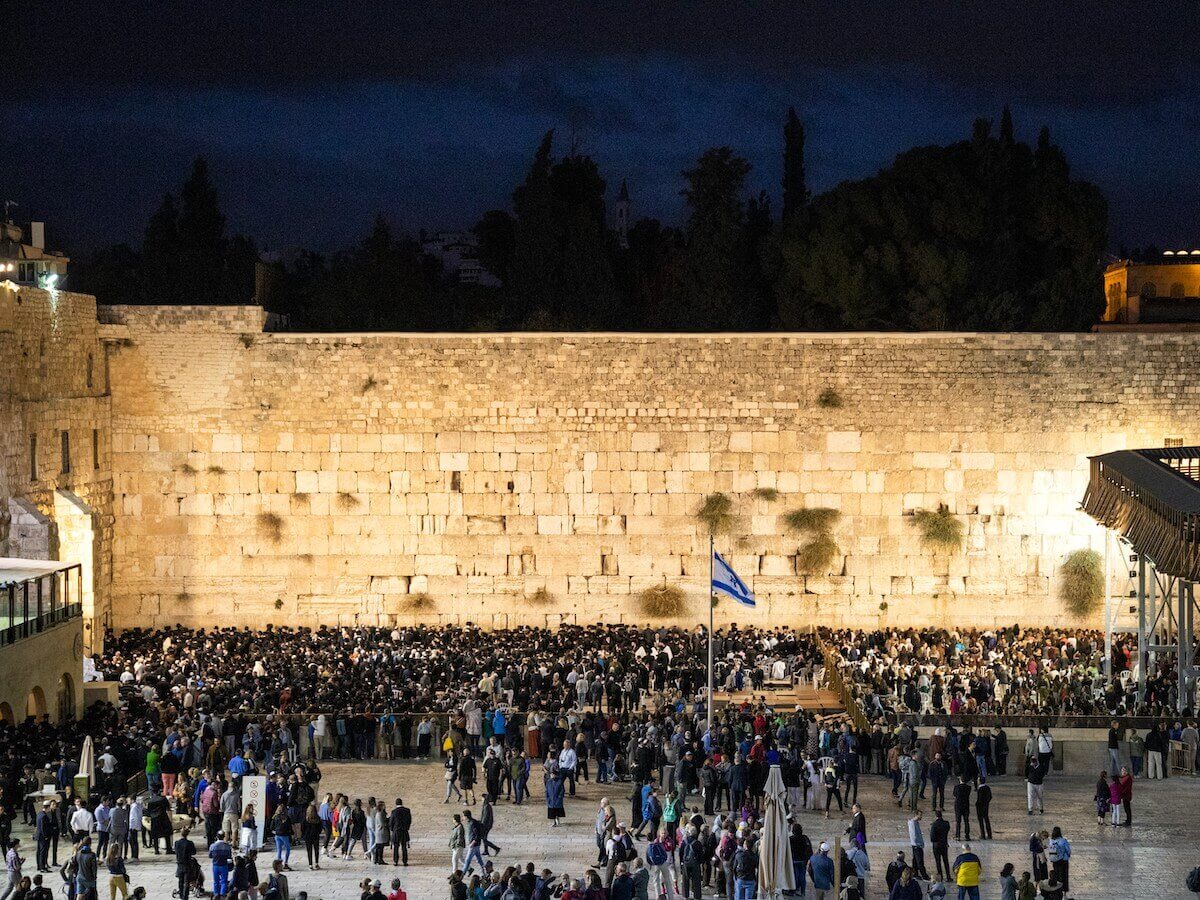
Located in the heart of the Old City of Jerusalem, the Western Wall – also known as the Wailing Wall – stands as a profound symbol of Jewish faith, history, and resilience. Known in Hebrew as the Kotel, this ancient limestone wall is a remnant of the Second Temple, destroyed by the Romans in 70 CE.
The Western Wall is not only a significant religious site but also a place that welcomes millions of visitors annually. These visitors are often seeking a connection to its deep spiritual and historical roots.
About the Western Wall
The Western Wall is part of the larger structure that supported the Second Temple, the most sacred site in Judaism. The Temple itself was the focal point of Jewish worship and the center of religious life.
After its destruction, the Western Wall remained as a poignant symbol of Jewish endurance and a place of prayer and pilgrimage. Over centuries, it has become a repository for the hopes and prayers of those who visit, with slips of paper bearing written prayers often placed between its ancient stones.
Religious Importance
For Jews worldwide, the Western Wall is the closest accessible site to the Holy of Holies, the innermost and most sacred area of the ancient Temple, where it is believed that the Divine Presence rests.
The Wall’s significance is reflected in the numerous rituals and traditions observed there, including daily prayers, bar and bat mitzvah ceremonies, and the recitation of the Psalms. It is a place where people come to seek solace, express gratitude, and connect with their heritage.
Visiting the Western Wall
If you plan to visit the Western Wall, there are a few key points to keep in mind:
1. Dress Modestly: The Western Wall is a religious site, and modest attire is expected. Men should wear long pants and women should cover their shoulders and knees. Scarves are often provided for women at the entrance if needed.
2. Separate Prayer Areas: The Western Wall is divided into sections for men and women, reflecting traditional Jewish practice. Men are required to wear a kippah (head covering), which is provided at the entrance.
3. Prayers and Notes: Visitors are welcome to place prayer notes in the crevices of the Wall. These notes are periodically collected and buried in accordance with Jewish tradition.
4. Security: Given its significance, the Western Wall is under strict security. Be prepared for bag checks and metal detectors at the entrance.
5. Respectful Conduct: As a sacred site, it’s important to maintain a respectful demeanor. This includes refraining from loud conversations, taking photos discreetly, and observing the sanctity of the prayer areas.
Best Times to Visit the Western Wall
The Western Wall is open 24/7, allowing visitors to experience it at any time. Early mornings and late evenings tend to be less crowded and provide a more intimate experience. Special Jewish holidays, such as Passover, Sukkot, and Hanukkah, see a surge in visitors and often feature religious ceremonies and celebrations.
Additional Sites Nearby
While visiting the Western Wall, take the opportunity to explore the surrounding areas. The Western Wall Tunnels offer a fascinating underground tour that reveals the full length of the Wall and gives insights into its construction and history.
Additionally, the Jewish Quarter of the Old City is home to synagogues, yeshivas, and historical landmarks that enrich the cultural and spiritual experience of your visit to Jerusalem.


