The Jerusalem Artichoke: A Misleading Name
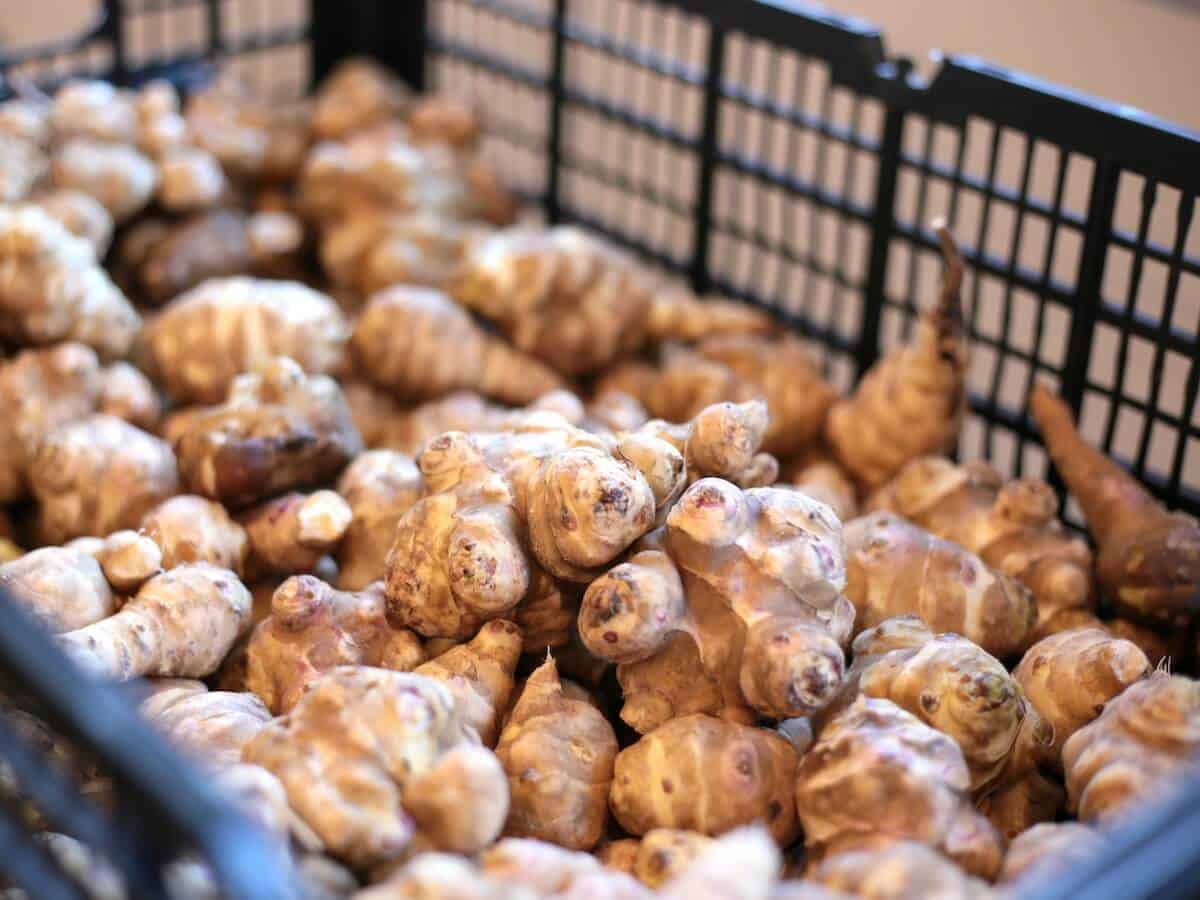
You may be wondering, is the Jerusalem artichoke actually from Jerusalem? Well, search no more, the Jerusalem artichoke, despite its name, has no real connection to the city of Jerusalem. This root vegetable, which is neither an artichoke nor from Jerusalem, has puzzled many with its misleading name.
In this article, we will explore the origins of the artichoke of Jerusalem’s name, its actual origins and characteristics, and the confusion that continues to surround it.
What is a Jerusalem Artichoke?
The Jerusalem artichoke (Helianthus tuberosus), also known as the sunchoke or sunroot, is a tuberous root vegetable belonging to the sunflower family. Native to North America, it has been cultivated for centuries by indigenous peoples and later adopted by European settlers.
The plant produces tall stalks with bright yellow flowers and underground tubers that resemble ginger roots in appearance. These tubers are edible and have a slightly sweet, nutty flavor, making them a popular ingredient in soups, salads, and roasted vegetable dishes.
Culinary and Nutritional Benefits
The Jerusalem artichoke is valued for its nutritional benefits. It is rich in iron, potassium, and fiber, and its high inulin content makes it beneficial for gut health by promoting healthy digestion. It can be eaten raw, roasted, pureed, or added to soups for a unique depth of flavor.
Why is it Called a Jerusalem Artichoke?
The name “Jerusalem artichoke” is one of the most perplexing misnomers in the world of food. It likely originated from a linguistic mix-up. The word “Jerusalem” is thought to be a corruption of the Italian word girasole, meaning “sunflower,” which describes the plant’s resemblance to the sunflower family. Early Italian settlers in North America may have referred to the plant as girasole articiocco, which, over time, evolved into “Jerusalem artichoke.”
Additionally, some have speculated that European religious associations with the Holy Land may have contributed to the name. The plant’s importance as a food source during times of hardship might have led people to draw symbolic links to biblical references or the spiritual significance of Jerusalem.
Common Misconceptions
As you can tell, there are many misconceptions around the artichoke of Jerusalem. Here are the top three:
1. Not from Jerusalem
As mentioned earlier, the Jerusalem artichoke has no direct historical or botanical link to the city of Jerusalem. The name is purely a result of linguistic evolution and confusion.
2. Not an Artichoke
Despite its name, Jerusalem artichokes are not related to the globe artichoke. While both are edible plants, the artichoke is a thistle in the Asteraceae family, while the Jerusalem artichoke is a tuber-producing member of the sunflower family.
3. Not a True Potato Substitute
Although the tuber has a texture similar to potatoes, it has a much higher inulin content rather than starch, making it a less suitable alternative in traditional potato-based recipes. However, its inulin content makes it an excellent choice for those following low-carb diets.
Enjoy the Jerusalem Artichoke
Despite its misleading name, the Jerusalem artichoke remains a versatile and nutritious root vegetable with a fascinating history. While it has no real ties to the city of Jerusalem, its story shows how language, culture, and trade can shape the way we understand the food we eat.
The next time you enjoy a dish featuring this humble tuber, you can appreciate not only its earthy taste but also the linguistic journey that brought it to your plate.


